 Allen Hott has another take on The Inquisitor’s Key by Jefferson Bass
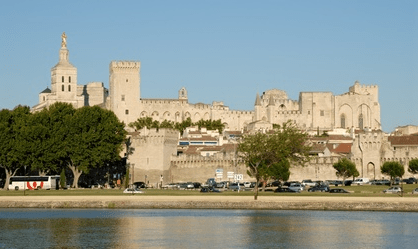
Brockton was called to France by his protégé, Miranda Lovelace, who had gone there for the summer to assist an old friend of hers who was working on an excavation in an anteroom that is situated beneath the Palace of the Popes. Miranda felt that Brockton would not only be a big help but would also enjoy the work as it was to be forensic and historic. It seems there is a belief (among some folks) that in effect the figure that was captured on the Shroud of Turin could have in fact been Jesus.
Of course there are also doubters since the Shroud was from the 1300’s and Jesus had been dead and resurrected long before that. However it appears that Miranda’s friend not only believes the theory but he also supposedly has the bones of the person’s body that was used as the model for “portrait” on the Shroud. Now the friend, Miranda and Brockton need to determine exactly or as exactly as possible the age of the bones.
[ . . . ]
Quite an interesting story with enough twists and turns to keep the reader occupied. It actually takes quite a while for the meaning of the title (The Inquisitor’s Key) to become evident. The ending seems to be completely unexpected but then again isn’t that what a mystery is supposed to do?
I wasn’t aware the Shroud was its own genre of fiction. Thanks.